
Wisconsin
Our mission is to save lives by meeting the most critical needs of our communities and investing in breakthrough research to prevent and cure breast cancer.
Wisconsin
Our mission is to save lives by meeting the most critical needs of our communities and investing in breakthrough research to prevent and cure breast cancer.
Need Help?
Call our breast care helpline to assist with finding local screening and diagnostic facilities or clinical research trials, requesting financial assistance, or other questions or care needs.
Get Involved
Help us reach our vision of a world without breast cancer by getting involved in our local community.
2024 Madison MORE THAN PINK Walk
Saturday, June 8, 2024
Join us at the Alliant Energy Center/Willow Island on Saturday, June 8, 2024, and make a huge impact in the fight against breast cancer. The South Central Wisconsin MORE THAN PINK Walk wouldn’t be the same without you. Rally your family and friends together for a day to remember.
Register Today!
Create for the Cure Art Auction
Friday, April 19
Join us at Historic Eagleknit Building in Walker’s Point for our inaugural Create for the Cure Art Auction featuring incredible original artwork from over 70 talented and generous local artists.
100% of the proceeds will support local breast cancer patients and fuel vital cancer
Learn More
Walk with Us in Milwaukee
Sunday, September 22, 2024
Join us at Henry Maier Festival Park on Sunday, Sept. 22, 2024, and make a huge impact in the fight against breast cancer. The Southeast Wisconsin MORE THAN PINK Walk wouldn’t be the same without you. Rally your family and friends together for a day to remember.
Contact Us To Learn More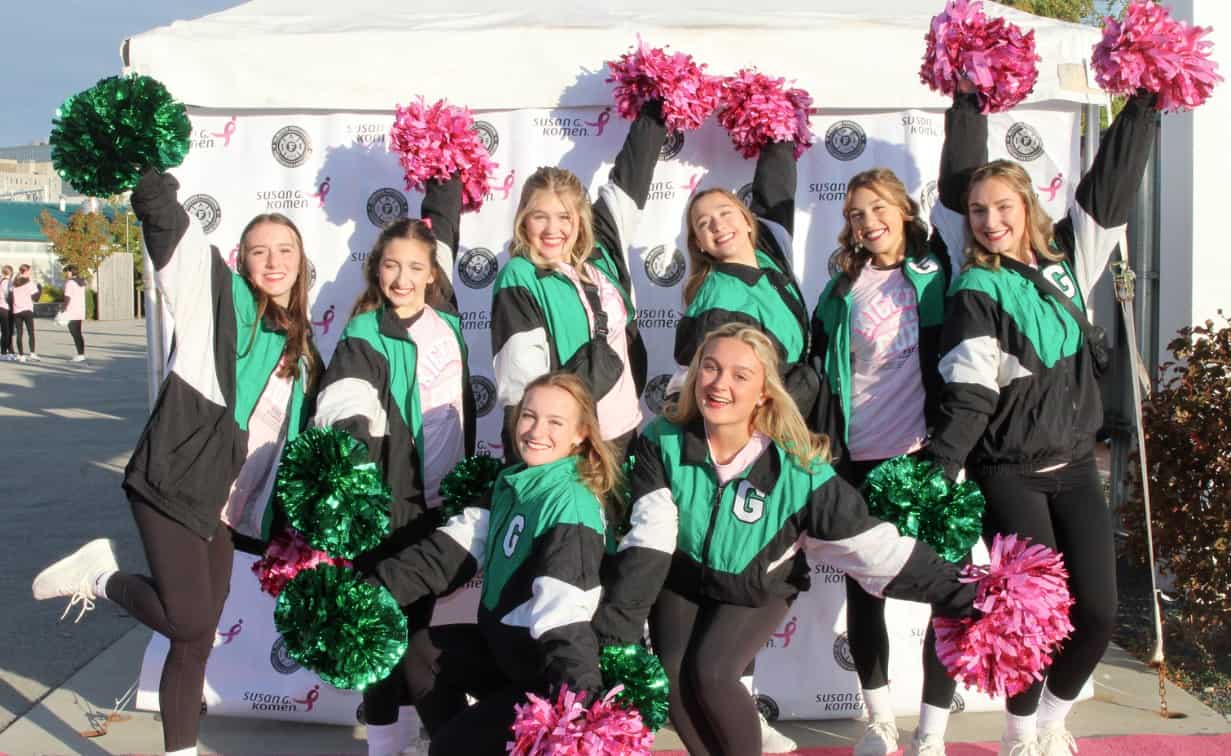
Volunteer and Make an Impact
Volunteers play a vital role in helping Komen create remarkable MORE THAN PINK Walks in Madison (June 8) and Milwaukee (Sept. 22). From serving on planning committees to helping set up the venue before welcoming walkers, there are plenty of ways for individuals and groups to get involved and make a big impact.
South Central Wisconsin MORE THAN PINK WALK
Learn More

Go Pink for the Cure
The fall MORE THAN PINK Walk season is ending and we’d like to thank all schools, sports teams and clubs that volunteered and fundraised in support of our vision of a world without breast cancer.
Looking for more ways to engage?
Organize a Go Pink for the Cure event!
Learn moreLocal Events
Join the fight to end breast cancer by attending an event in Wisconsin!
Questions? Contact Us

ShareForCures
Your breast cancer information is as unique as you are. When combined with thousands of other ShareForCures members, you provide scientists with a more diverse set of data to make new discoveries, faster.
Latest News & Information
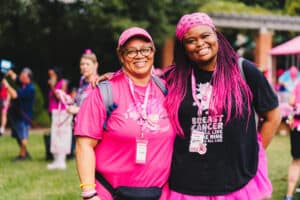
Nikki’s Story: I’m Not Going to Let Cancer Steal My Sparkle
Nikki Anderson’s cancer journey began with a uterine cancer diagnosis in her 30s, which was followed by a breast cancer diagnosis six years later. She celebrates her journey by fundraising for the Komen 3-Day with Team Sparkle, inspired by her own adage: “I’m not going to let cancer steal my sparkle.”
The post Nikki’s Story: I’m Not Going to Let Cancer Steal My Sparkle appeared first on Susan G. Komen®.
Statement on Passage of Diagnostic and Supplemental Imaging Legislation in Vermont
MONTPELIER – Susan G. Komen®, the world’s leading breast cancer organization, today issued the following statement on the passage of H.621, critical breast imaging legislation in Vermont. Diagnostic and supplemental imaging is a critical form of breast cancer screening for some high-risk individuals and an important step in determining the need for a biopsy to […]
The post Statement on Passage of Diagnostic and Supplemental Imaging Legislation in Vermont appeared first on Susan G. Komen®.
Wisconsin
Contact Us
Susan G. Komen Wisconsin

State Executive Director: Nikki Panico
Email: npanico@komen.org
Phone: 1-877-GO KOMEN